
If you are looking for a typical holiday resort, Bale is not for you
![If you are looking for a typical holiday resort, Bale is not for you, Bale-Valle [1]](/images/cache/page/557e7a38e5f8574e355fa7bdb567fd5e.jpg "If you are looking for a typical holiday resort, Bale is not for you, Bale-Valle [1]")
![If you are looking for a typical holiday resort, Bale is not for you, Bale-Valle [2]](/images/cache/page/52de3e6dfd41e31ccf2ab96f88ee2e34.jpg "If you are looking for a typical holiday resort, Bale is not for you, Bale-Valle [2]")
![If you are looking for a typical holiday resort, Bale is not for you, Bale-Valle [3]](/images/cache/page/2275da9bb1405797d021316a19b4c41a.jpg "If you are looking for a typical holiday resort, Bale is not for you, Bale-Valle [3]")
![If you are looking for a typical holiday resort, Bale is not for you, Bale-Valle [4]](/images/cache/page/de21b435e3cc22ecac9ee3f57c22c9f4.jpg "If you are looking for a typical holiday resort, Bale is not for you, Bale-Valle [4]")
![If you are looking for a typical holiday resort, Bale is not for you, Bale-Valle [5]](/images/cache/page/1125e0d5c54692d1a940f2e5b4b6d756.jpg "If you are looking for a typical holiday resort, Bale is not for you, Bale-Valle [5]")
![If you are looking for a typical holiday resort, Bale is not for you, Bale-Valle [6]](/images/cache/page/cd8535e496e0ce07ae1f27e5cc72796e.jpg "If you are looking for a typical holiday resort, Bale is not for you, Bale-Valle [6]")
![If you are looking for a typical holiday resort, Bale is not for you, Bale-Valle [7]](/images/cache/page/919f61a30c2aaf860a19042d09df9513.jpg "If you are looking for a typical holiday resort, Bale is not for you, Bale-Valle [7]")
![If you are looking for a typical holiday resort, Bale is not for you, Bale-Valle [8]](/images/cache/page/23a82b8d66a1d38e475f67993a9da985.jpg "If you are looking for a typical holiday resort, Bale is not for you, Bale-Valle [8]")
![If you are looking for a typical holiday resort, Bale is not for you, Bale-Valle [9]](/images/cache/page/6feaac121c3248ac7909f1fdce50fb1c.jpg "If you are looking for a typical holiday resort, Bale is not for you, Bale-Valle [9]")
![If you are looking for a typical holiday resort, Bale is not for you, Bale-Valle [10]](/images/cache/page/5e80286bc725dbacf80ca9fc2b3c254e.jpg "If you are looking for a typical holiday resort, Bale is not for you, Bale-Valle [10]")
# If you are looking for a conventional holiday destination, Bale is not for you
Bale is less well known than many places in Istria, and that is precisely why it appeals to travellers seeking a quieter stay.
This small Istrian town lies a few kilometres from the sea. The coast is close enough for a swim or a day out, and the town is well placed for exploring the rest of the peninsula. Its history, cultural life and food give visitors ample reason to spend part of their holiday in Bale itself.
A varied choice of accommodation
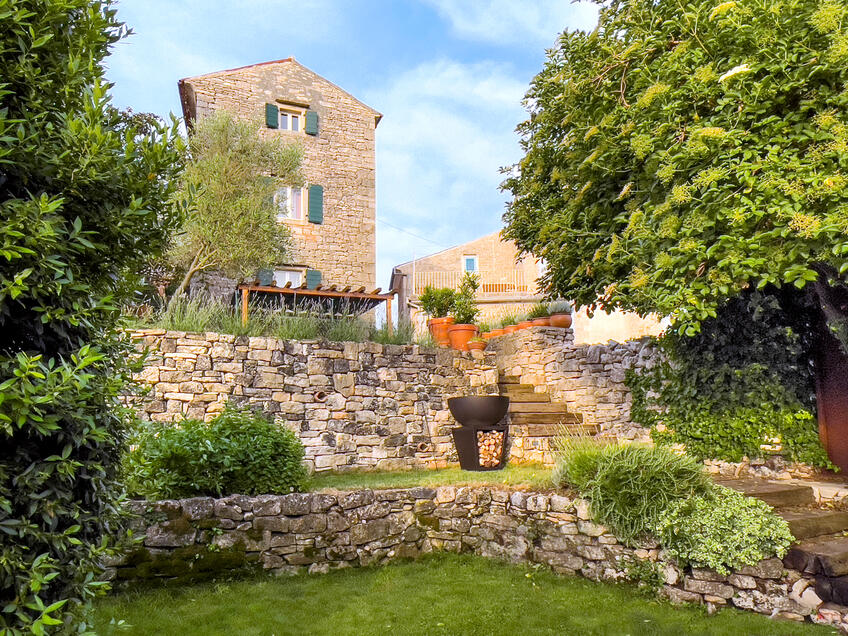
Holiday homes and apartments with their own entrance, garden, terrace or pool are a common choice.
Hotel La Grisa is a good option for visitors who would rather stay somewhere with a traditional character. The hotel was created by joining several neighbouring old houses in the historic centre.
Villa Porta no offers five individually designed rooms in a family home, with breakfast served in the shared lounge.
Less is more in Bale
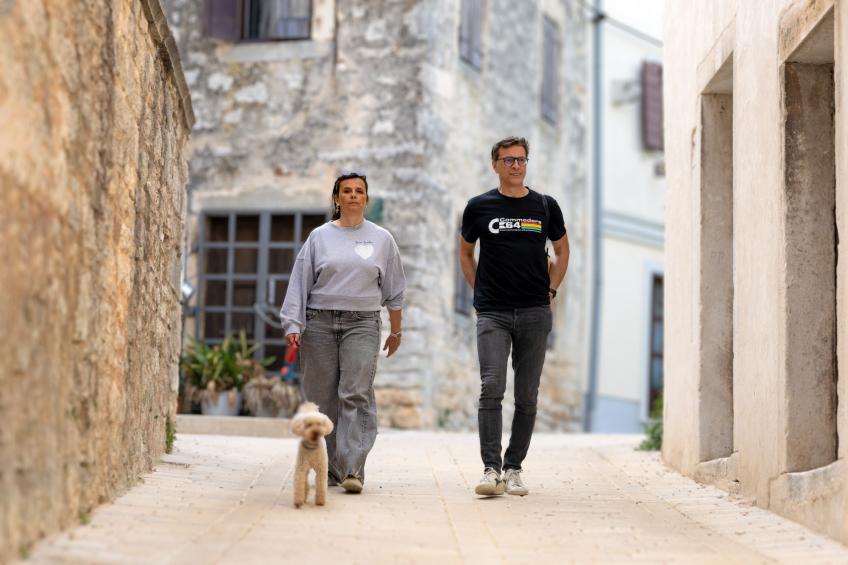
Bale's old town is still a place of everyday life, not merely a backdrop for visitors. Large crowds are unusual, and the historic centre is tidy and clean.
Kamene priče: a jazz tavern, concert venue and apartments
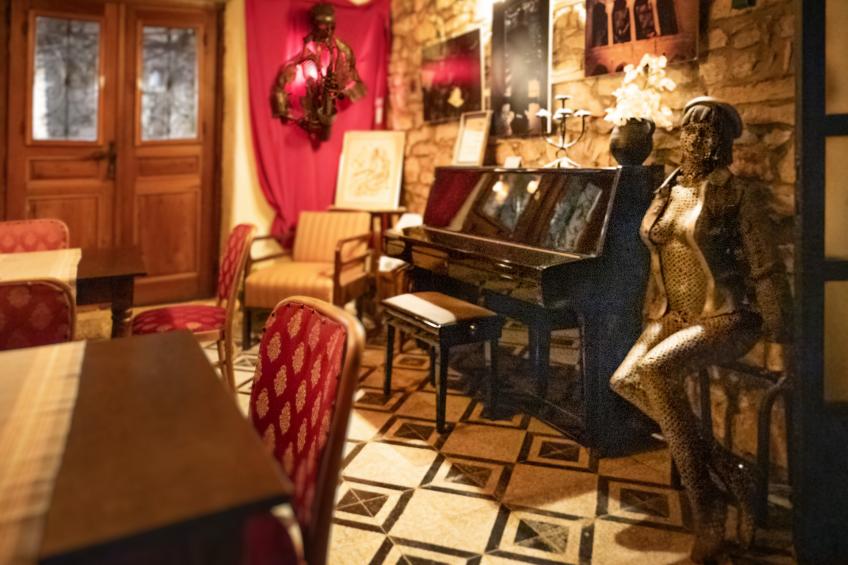
Kamene priče is on a small square just beyond the passage beneath Soardo-Bembo Castle in Bale's old town. The same complex contains a jazz tavern, an intimate concert venue and apartments. It has hosted Croatian and international musicians for more than two decades. Because the courtyard is small, the concerts are closer in scale to club gigs than large festival events.
At local taverns and restaurants, you can try Istrian wines and olive oils. Some use produce they grow themselves. Many have terraces or secluded courtyards for a quiet meal.
Extra virgin olive oil and wine from Bale
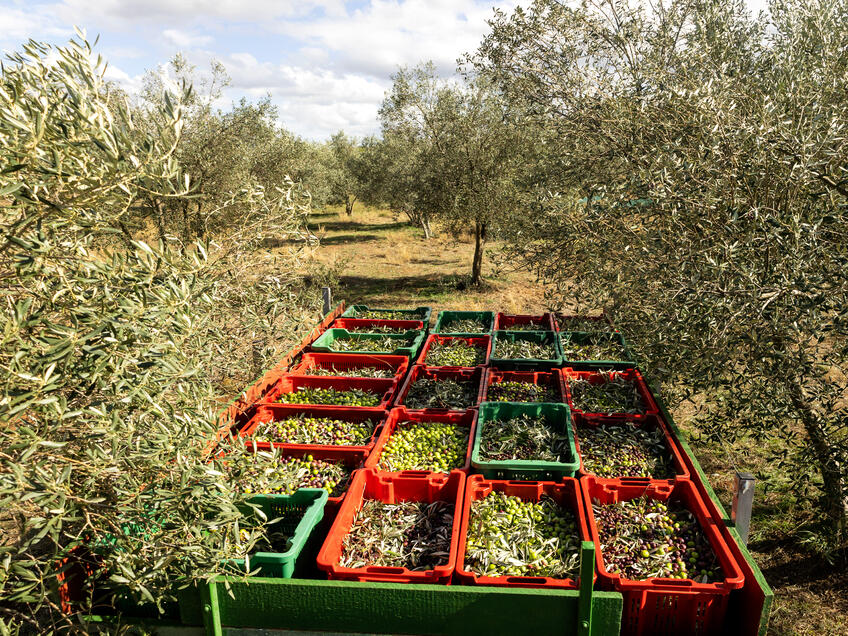
Buža, Rošinjola and Istarska Bjelica stand out among Istria's native olive cultivars. Oils made from these cultivars differ in aroma, bitterness and pungency.
Producers include OPG Lupić, the Lupić family farm, Grubić and Meneghetti. Under the Bembo name, Lupić produces single-varietal Buža, Rožinjola, Puntoža, Istarska Bjelica, Negrolina and Leccino oils, as well as a blend made from several cultivars. At the 2026 Dani masline olive oil competition in Zadar, Bembo Leccino scored 99.95 out of 100 points and was named overall champion.
At Lupić's tasting room in central Bale, the oils can be tasted in sequence and compared, making the differences between cultivars immediately apparent. Somnis wines are available to taste and buy there as well.
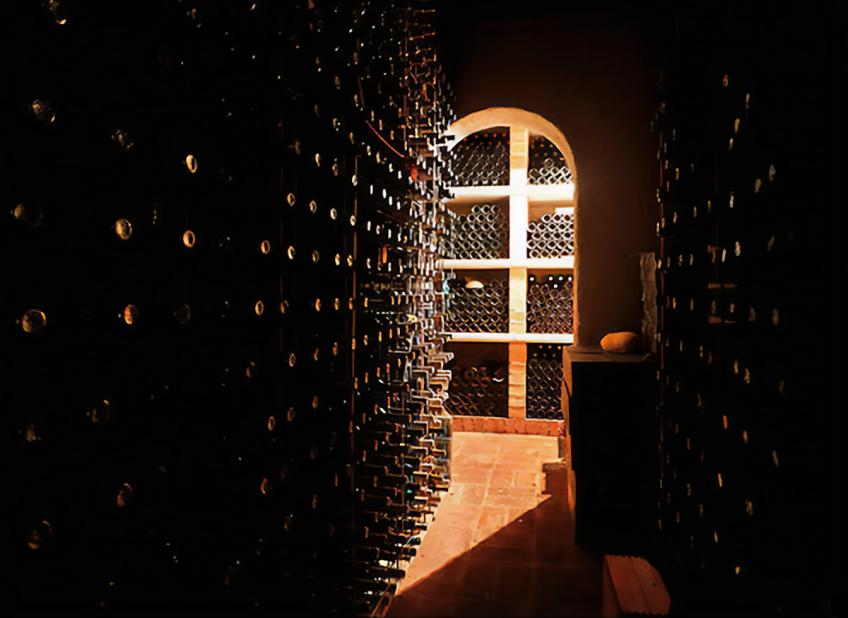
Wineries in Golaš and farther afield in Istria
Istria is an established wine region with many wineries producing Malvazija Istarska and Teran. San Tommaso in Golaš is among the closest to Bale, while Matošević and Kozlović can be part of a longer day trip through Istria.
Find your own place by the sea along Bale's nine-kilometre coast
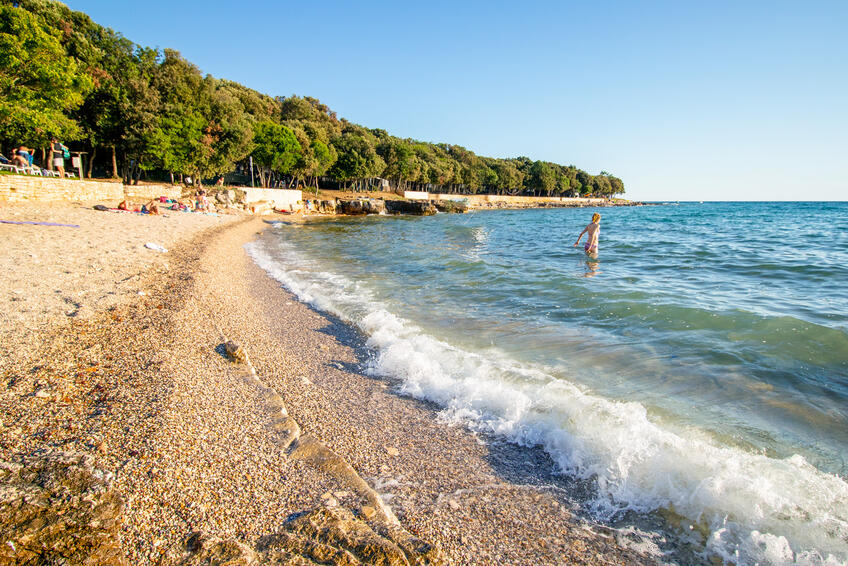
The coast around Bale is not one long developed beach. Pebble coves alternate with rocky stretches and flat rock shelves. San Polo and Colone have more facilities and natural shade, making them suitable for a full day by the sea. Dandoli and Forno are smaller beaches without facilities, while Cisterna lies farther along the coast towards Rovinj.
From Bale, you can reach the coast by car or bicycle; some beaches require a walk for the final stretch. They differ not only in their shoreline, but also in access, shade and facilities, so choose a beach according to how you want to spend the day.
Protected areas on the western coast
The sea off Bale forms part of Natura 2000, the European ecological network, within a site officially known as Akvatorij zapadne Istre. Some sections of coast also carry separate protected-area designations, each with its own management rules and conditions governing development.
The Significant Landscape of the Rovinj Islands and Coastal Area extends from Cape St John at the entrance to the Lim Channel to Barbariga. It includes some twenty islands and islets off Rovinj, together with a coastal strip that reaches up to 500 metres inland in places. Only activities and development that do not compromise the features for which the area was protected are permitted.
South of Rovinj lies the Palud-Palù Special Ornithological Reserve, a wetland where freshwater and seawater mix. The reserve exists primarily to protect birds and their habitats; any activity that could harm either is prohibited.
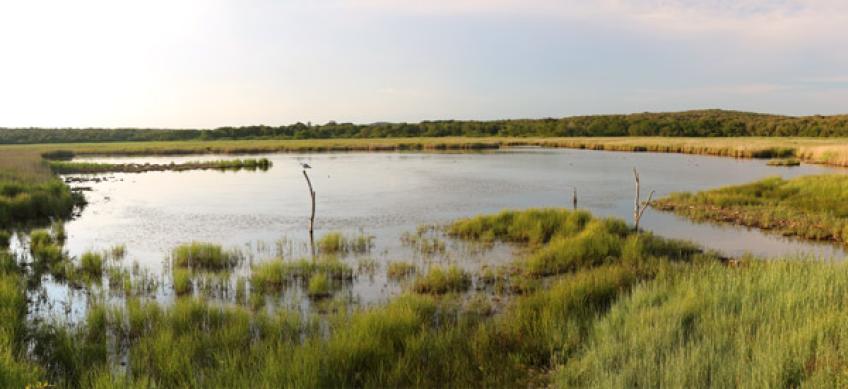
The Datule-Barbariga Special Palaeontological Reserve also lies within the Bale area, while Brijuni National Park is farther south. These areas do not all share the same protection regime; each has its own rules and restrictions.
Choose to stay in Bale or another nearby settlement rather than directly on the coast; this supports local life and helps relieve pressure on a sensitive shoreline, parts of which are protected.
Trips from Bale, by land and sea
The surrounding area can be explored on foot, by bicycle or on horseback. A day at sea might mean a boat trip or diving. Tracks run alongside cultivated olive groves and vineyards, through Mediterranean scrub, thickets and low woodland, and past plots that became overgrown after farming ceased. The vegetation is dense enough in places to provide shade and shelter in summer, but these are not extensive forests.
Around half an hour by car from Bale, visitors interested in history and art can see a cycle of frescoes dating from 1474, most notably the Dance of Death. The frescoes are in the Church of St Mary of the Rocks near Beram and were completed by the workshop of Master Vincent of Kastav. One of his assistants painted the Dance of Death. The scene depicts the transience of life and the equality of all people in the face of death.
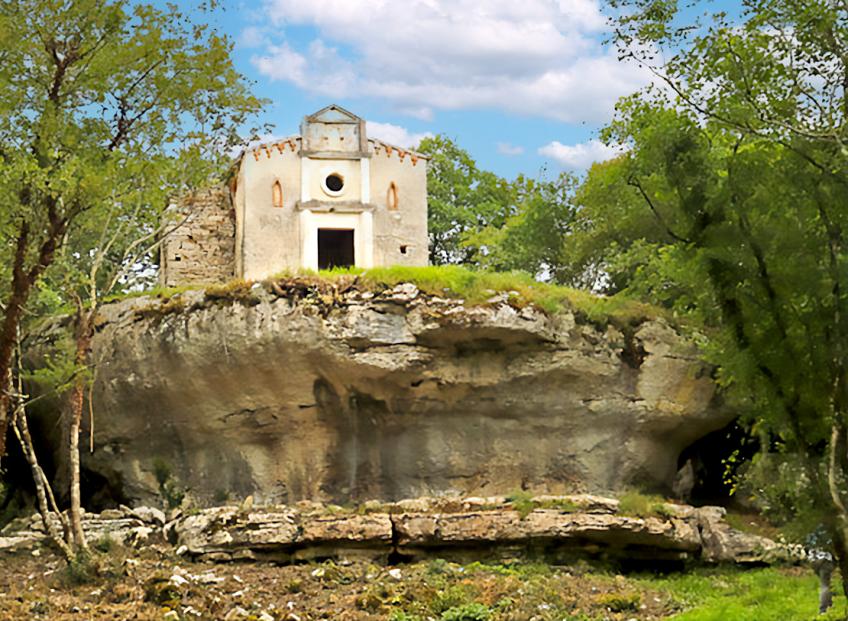
Closer to Bale, the Church of St Peter on the Peak stands on a large rock outcrop.
Look around you. There may be a place like Bale close to home.
Address: 52211 Bale, Istria, Croatia